
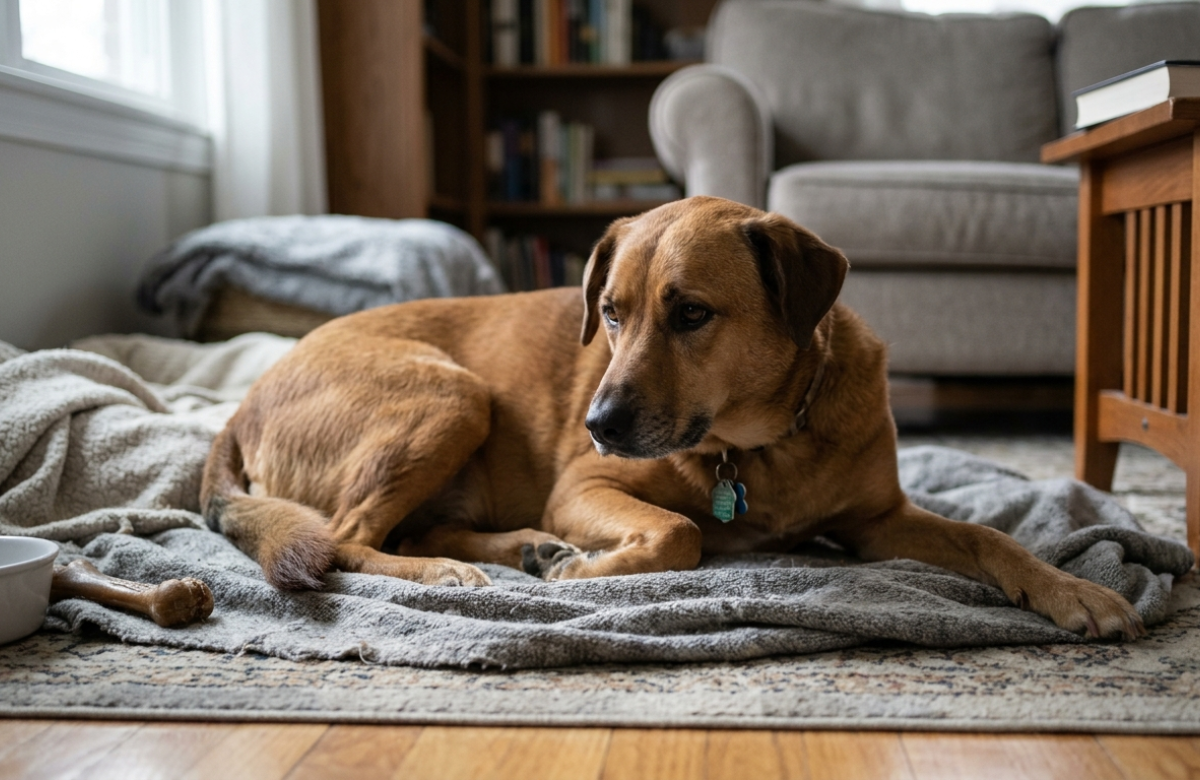
One evening, a friend mentioned that her usually energetic Labrador had become slightly quieter than usual. He still ate his meals, wagged his tail, and greeted everyone at the door. Nothing seemed seriously wrong. A routine veterinary checkup, however, revealed an early kidney issue that would have been much harder to treat if it had gone unnoticed.
Stories like this remind us that dogs are experts at hiding discomfort. In the wild, showing weakness could make an animal vulnerable, and many dogs still carry that instinct today. That’s why understanding the signs your dog is sick but not showing obvious symptoms is one of the most important parts of responsible pet ownership.
By learning to recognize subtle behavioral and physical changes, you can often identify health concerns before they become serious.
What You Need to Know About Signs Your Dog Is Sick but Not Showing Obvious Symptoms
Dogs cannot tell us when they feel unwell. Instead, they communicate through small changes in their daily habits.
Some warning signs are easy to overlook because they happen gradually.
These may include:
- Sleeping slightly longer than normal
- Drinking more or less water
- Reduced enthusiasm during walks
- Mild weight changes
- Bad breath that suddenly appears
- Less interest in playing
- Hiding more often
- Changes in bathroom habits
- Dull coat
- Mild stiffness after resting
These subtle symptoms can sometimes point to:
- Dental disease
- Arthritis
- Digestive problems
- Kidney disease
- Liver problems
- Diabetes
- Heart disease
- Pain from injury
- Hormonal disorders
- Anxiety or stress
One small change may not mean your dog is sick. However, several changes lasting more than a few days deserve attention.
Common Mistakes People Make
Many caring owners accidentally overlook early warning signs.
Assuming “They’re Just Getting Older”
A slower pace isn’t always normal aging. Pain or illness may be the real reason.
Waiting Until Symptoms Become Severe
Many diseases progress quietly.
Early treatment often leads to better outcomes.
Ignoring Small Behavior Changes
If your dog suddenly stops greeting visitors or loses interest in favorite toys, don’t dismiss it.
Skipping Annual Wellness Exams
Routine veterinary exams often detect problems before symptoms appear.
Comparing Dogs
Every dog has a unique personality.
What is normal for one dog may not be normal for another.
Related Posts:
What to Do If Dog Refuses to Eat Dry Food
Best Way to Remove Old Oil Stains from Kitchen Walls Naturally
Step-by-Step Guide
Step 1: Observe Daily Habits
Spend a few minutes each day paying attention to:
- Appetite
- Water intake
- Bathroom routine
- Energy level
- Walking style
- Sleeping habits
Knowing your dog’s normal behavior makes unusual changes much easier to spot.
Step 2: Perform Weekly Health Checks
Once a week, gently check:
- Eyes
- Ears
- Teeth
- Gums
- Skin
- Coat
- Nails
- Body weight
- Paws
These quick checks often reveal problems before they become serious.
Step 3: Know When to Contact Your Veterinarian
Schedule a veterinary visit if you notice:
- Weight loss
- Persistent lethargy
- Increased thirst
- Frequent urination
- Vomiting
- Diarrhea
- Difficulty breathing
- Sudden behavior changes
- Pain when touched
- Loss of appetite lasting more than 24 hours
When in doubt, it’s always safer to ask your veterinarian.
Benefits
Recognizing subtle symptoms early offers many advantages.
Better Treatment Outcomes
Many illnesses respond more effectively when diagnosed early.
Lower Veterinary Costs
Minor issues are often less expensive to treat than advanced diseases.
Improved Quality of Life
Your dog experiences less discomfort when health problems are addressed promptly.
Greater Peace of Mind
Knowing you’re monitoring your dog’s health carefully reduces unnecessary worry.
Stronger Bond
Daily observation helps you understand your dog’s personality and needs even better.
Drawbacks or Things to Consider
Although paying close attention is important, avoid becoming overly anxious.
Consider these points:
- Not every unusual behavior signals illness.
- Weather changes can affect activity levels.
- Stress may temporarily change appetite.
- Puppies and senior dogs naturally have different energy levels.
- Online information should never replace professional veterinary advice.
The goal is balanced awareness, not constant worry.
Expert Tips and Personal Insights
Over the years, experienced dog owners often notice that small changes matter most.
One habit many find helpful is keeping a simple notebook or phone app to track:
- Weight
- Appetite
- Water intake
- Exercise
- Medication
- Vet visits
Patterns become much easier to recognize.
Another useful tip is taking monthly photos of your dog.
Weight loss often happens gradually and can be difficult to notice when you see your pet every day.
Trust your instincts.
If your dog simply “doesn’t seem like themselves,” that feeling is worth discussing with your veterinarian.
Recommended Products and Tools
The right tools won’t diagnose illness, but they can help you monitor your dog’s health more effectively.
1. Digital Pet Scale
Best for:
Puppies, senior dogs, and dogs with chronic illnesses.
Pros
- Tracks gradual weight changes
- Easy to use
- Helpful during recovery
Cons
- Larger dogs require bigger scales
- Quality models cost more
Why it helps
Unexpected weight loss is often one of the earliest signs of illness.
2. Elevated Food and Water Bowls
Best for:
Senior dogs and large breeds.
Pros
- More comfortable eating position
- Easier to monitor food intake
Cons
- Not necessary for every dog
Why it helps
Makes daily feeding habits easier to observe.
3. Pet Health Journal
Best for:
All dog owners.
Pros
- Tracks symptoms
- Records medications
- Stores veterinary notes
Cons
- Requires consistency
Why it helps
Small changes become much easier to identify over time.
4. Smart Pet Activity Tracker
Best for:
Active dogs.
Pros
- Monitors activity
- Tracks sleep
- Detects unusual behavior
Cons
- Battery charging required
- More expensive than basic collars
Why it helps
Can reveal reduced activity before owners notice obvious changes.
Buyer’s Guide
If you’re considering products that help monitor your dog’s health, focus on usefulness rather than fancy features.
Features to Look For
- Easy to clean
- Accurate measurements
- Comfortable for your dog
- Durable construction
- Positive customer reviews
- Simple setup
- Reliable battery life for electronic devices
How to Choose the Right Product
Choose products based on:
- Dog size
- Age
- Existing medical conditions
- Lifestyle
- Budget
For example, a digital scale may be especially useful for senior dogs, while an activity tracker may benefit energetic breeds.
When a Product May Not Be Suitable
Some products aren’t necessary for every household.
For example:
- Activity trackers may be excessive for indoor senior dogs with limited mobility.
- Elevated bowls are not recommended for every breed unless advised by your veterinarian.
- Large pet scales may not be practical in small apartments.
Buy products that genuinely match your dog’s needs rather than purchasing every gadget available.
Comparison Table
| Tool | Best For | Advantages | Limitations |
| Digital Pet Scale | Weight monitoring | Detects gradual weight changes | Large dogs need bigger models |
| Health Journal | All owners | Easy symptom tracking | Requires regular updates |
| Smart Activity Tracker | Active dogs | Monitors activity and sleep | Higher cost |
| Elevated Bowls | Senior and large dogs | Comfortable feeding | Not needed for every dog |
Frequently Asked Questions
1. Can a dog be seriously sick without obvious symptoms?
Yes. Some health conditions develop slowly, causing only subtle changes in behavior, appetite, or activity before more noticeable symptoms appear.
2. How often should I check my dog’s health?
A quick daily observation and a more detailed weekly check can help you notice changes early. Regular veterinary wellness exams are also important.
3. What subtle behavior changes should concern me?
Reduced energy, unusual hiding, changes in thirst, mild weight loss, altered sleeping habits, or less interest in play can all warrant closer attention if they persist.
4. Should I wait a few days before calling the veterinarian?
Minor, short-lived changes may resolve on their own, but persistent symptoms, worsening behavior, or multiple changes at once should be discussed with your veterinarian promptly.
5. Can stress cause symptoms that look like illness?
Yes. Stress, changes in routine, travel, or new environments can temporarily affect appetite, sleep, and behavior. If symptoms continue or you are unsure of the cause, seek veterinary advice.
Final Thoughts
Recognizing the signs your dog is sick but not showing obvious symptoms doesn’t require medical training. It starts with paying attention to the little things that make your dog unique.
Subtle changes in energy, appetite, weight, or behavior can sometimes be the earliest clues that something isn’t right. By observing your dog’s daily routine, scheduling regular veterinary checkups, and using simple monitoring tools when appropriate, you give your companion the best chance of receiving timely care.
No one knows your dog better than you. Trust your observations, stay consistent with routine health checks, and never hesitate to seek professional veterinary guidance if something feels unusual. Small actions today can make a meaningful difference in your dog’s long-term health and happiness.