
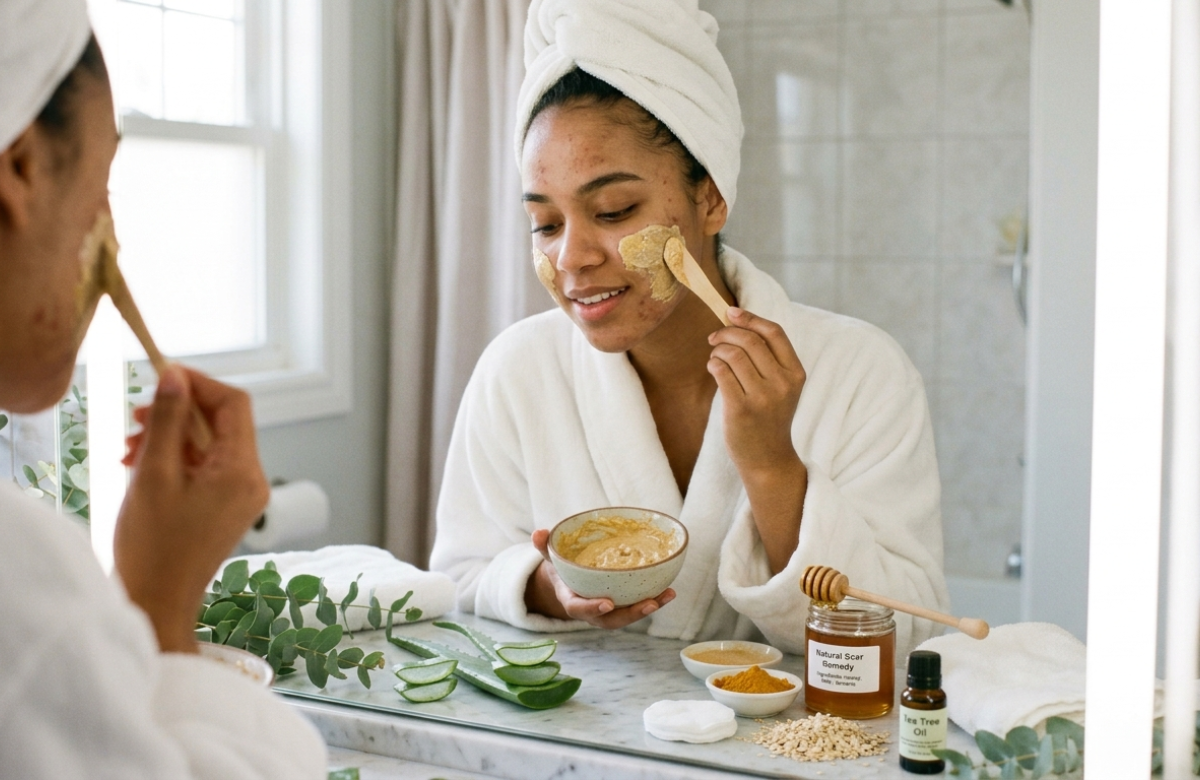
If you’ve ever looked in the mirror after your acne cleared, only to find stubborn marks still staring back at you, you’re not alone. Many people expect their skin to return to normal once breakouts are gone, but acne scars and dark spots often linger much longer. It can be frustrating, especially when you’re getting ready for an important event or simply want to feel more confident without relying on makeup.
The good news is that while deep acne scars usually take longer to improve, many fresh post-acne marks and mild scars can appear less noticeable with consistent skincare and healthy habits. If you’re wondering how to remove acne scars naturally at home in 2 weeks, this guide will walk you through realistic, skin-friendly methods that may help improve your skin’s appearance. Keep in mind that results vary depending on your skin type and the type of scars you have, so patience and consistency are key.
What You Need to Know About How to Remove Acne Scars Naturally at Home in 2 Weeks
Before trying any remedy, it’s important to understand what you’re treating.
Not every mark left behind after acne is actually a scar.
Types of Acne Marks
Post-Inflammatory Hyperpigmentation (PIH)
These are flat brown, red, or purple marks left after a pimple heals. They aren’t true scars and often fade over time with proper skincare.
Post-Inflammatory Erythema (PIE)
These pink or red marks are caused by tiny damaged blood vessels. They usually improve gradually but can take weeks or months.
Indented (Atrophic) Scars
These include ice-pick, boxcar, and rolling scars. Natural remedies may improve skin texture slightly, but significant improvement often requires professional treatment.
Raised (Hypertrophic) Scars
These occur when the skin produces too much collagen during healing.
Can Natural Remedies Work in Just 2 Weeks?
It’s important to set realistic expectations.
Within two weeks, you may notice:
- Brighter-looking skin
- Better hydration
- Reduced redness
- Softer skin texture
- Fading of mild dark spots
However, deep or older acne scars generally need several months—or professional treatments—to improve significantly.
Common Mistakes People Make
Many people unintentionally make their acne scars worse by following skincare myths or using harsh products.
1. Scrubbing the Skin Too Hard
It might seem like vigorous exfoliation will remove scars faster, but excessive scrubbing damages the skin barrier and can increase irritation.
2. Picking at Pimples
Even a small blemish can leave a lasting mark if it’s squeezed or picked before it heals.
3. Using Too Many Remedies at Once
Applying lemon juice, baking soda, toothpaste, and multiple DIY masks together can irritate the skin instead of helping it heal.
4. Skipping Sunscreen
Sun exposure can darken acne marks and slow the fading process.
5. Expecting Overnight Results
Healthy skin renewal takes time. Consistency usually produces better results than constantly changing routines.
Related Posts:
Indoor Plants That Survive Without Sunlight in Apartments
Best Night Routine for Glowing Skin in 7 Days
Step-by-Step Guide
Step 1: Cleanse Gently Twice Daily
A clean face provides the foundation for healthy skin.
Choose a gentle cleanser that removes dirt and excess oil without stripping away natural moisture.
Avoid:
- Harsh soaps
- Alcohol-heavy cleansers
- Rough cleansing brushes
After washing, gently pat your skin dry with a clean towel instead of rubbing it.
Step 2: Use Natural Ingredients Carefully
Some natural ingredients may help improve the appearance of post-acne marks when used consistently and appropriately.
Aloe Vera Gel
Aloe vera is known for its soothing and moisturizing properties.
How to use:
- Apply pure aloe vera gel after cleansing.
- Leave it on overnight.
- Use daily.
Benefits:
- Hydrates the skin
- Reduces irritation
- Supports the skin’s natural healing process
Raw Honey
Honey has natural moisturizing properties and may help calm irritated skin.
How to use:
- Apply a thin layer.
- Leave on for 15–20 minutes.
- Rinse with lukewarm water.
Use two or three times each week.
Green Tea
Green tea contains antioxidants that may help reduce redness associated with healing acne marks.
After brewing and cooling the tea, apply it with a cotton pad or use it as a gentle facial rinse.
Oatmeal Mask
Finely ground oatmeal mixed with water creates a soothing mask that may reduce irritation and dryness.
Apply for 10–15 minutes before rinsing.
Avoid applying undiluted lemon juice, toothpaste, or baking soda to your face. These popular DIY remedies can irritate the skin and may worsen discoloration or delay healing.
Step 3: Protect and Nourish Your Skin
Healthy skin heals more effectively.
Focus on these daily habits:
- Drink enough water.
- Eat a balanced diet rich in fruits and vegetables.
- Get adequate sleep.
- Avoid smoking.
- Manage stress where possible.
- Wear a broad-spectrum sunscreen every day, even when it’s cloudy.
Sun protection is one of the most effective ways to prevent acne marks from becoming darker and more noticeable.
Benefits
Following a gentle skincare routine with natural ingredients can support your skin’s healing process. While natural remedies won’t erase deep acne scars in just two weeks, they may improve your skin’s overall appearance and help newer marks fade more quickly.
Benefits of Natural Approaches
| Benefit | How It Helps |
| Gentle on the skin | Less likely to cause irritation when used correctly |
| Budget-friendly | Many ingredients are already available at home |
| Supports skin hydration | Healthy, moisturized skin heals more effectively |
| Encourages consistency | Simple routines are easier to maintain |
| Suitable for many skin types | Gentle remedies often work well for sensitive skin when patch tested |
Other advantages include:
- Reduces dryness caused by harsh acne products.
- Improves the skin’s natural glow.
- Helps maintain a healthy skin barrier.
- Can be combined with a balanced skincare routine.
Remember, consistency matters more than trying a new remedy every day.
Drawbacks or Things to Consider
Natural doesn’t always mean safe for everyone.
Every person’s skin reacts differently, so it’s important to test new ingredients before applying them to your entire face.
Things to Keep in Mind
- Results vary depending on your skin type.
- Deep acne scars won’t disappear in two weeks.
- Some natural ingredients can trigger allergies.
- Overusing masks or exfoliants may irritate the skin.
- Sun exposure can slow the fading process if you don’t wear sunscreen.
If your acne scars are severe, painful, or affecting your confidence significantly, it’s worth speaking with a dermatologist. Treatments such as microneedling, chemical peels, or laser therapy may provide better results for certain types of scars.
Expert Tips and Personal Insights
Over the years, I’ve noticed that people often focus on finding the “perfect” ingredient instead of building healthy daily habits.
One friend struggled with acne marks for months. She tried countless DIY recipes she found online, switching remedies every few days. Her skin became irritated because it never had time to adjust. Once she simplified her routine—using a gentle cleanser, aloe vera, moisturizer, and sunscreen consistently—her skin gradually looked brighter and calmer within several weeks.
From both personal observation and conversations with skincare professionals, these habits consistently make the biggest difference:
Stay Consistent
Skin renews itself gradually. Following the same gentle routine every day is usually more effective than constantly changing products.
Don’t Skip Moisturizer
Many people think oily skin doesn’t need moisture. In reality, hydrated skin maintains a stronger protective barrier and often tolerates active ingredients better.
Patch Test Every New Ingredient
Apply a small amount behind your ear or on your inner arm for 24 hours before using it on your face.
Keep Your Hands Off Your Face
Touching your face frequently can transfer bacteria and increase irritation.
Prioritize Sleep
Your skin repairs itself while you sleep. Aim for 7–9 hours of quality rest each night whenever possible.
Recommended Products and Tools
While this guide focuses on natural care, a few gentle skincare products can complement your routine.
| Product | Best For | Pros | Cons | Why It Helps |
| Pure Aloe Vera Gel | Sensitive skin | Soothing, lightweight, hydrating | Quality varies between brands | Helps calm irritated skin |
| Gentle Facial Cleanser | Daily cleansing | Removes dirt without over-drying | Requires regular use | Creates a healthy foundation |
| Fragrance-Free Moisturizer | Dry or combination skin | Supports skin barrier | May feel heavy for some | Keeps skin hydrated |
| Mineral Sunscreen SPF 30+ | Everyone | Protects against UV damage | Can leave a slight white cast | Prevents acne marks from darkening |
| Silicone Face Cleansing Pads | Gentle cleansing | Reusable and soft | Must be cleaned regularly | Helps cleanse without harsh scrubbing |
Who Should Consider These Products?
Pure Aloe Vera Gel
Best for: People with irritated or dry skin after acne.
Pros
- Naturally soothing
- Lightweight
- Easy to apply
Cons
- Some products contain added fragrances
- May not suit everyone
Gentle Facial Cleanser
Best for: Anyone beginning a skincare routine.
Pros
- Maintains the skin barrier
- Suitable for everyday use
Cons
- Doesn’t remove scars on its own
Broad-Spectrum Sunscreen
Best for: Every skin type.
Pros
- Protects healing skin
- Helps prevent dark spots from becoming darker
Cons
- Needs reapplication outdoors
Sunscreen is arguably the most important product if your goal is fading acne marks naturally.
Buyer’s Guide: How to Choose the Right Skincare Products
Buying skincare doesn’t have to be confusing. Expensive products aren’t always better, and trendy ingredients aren’t necessary for everyone.
Features to Look For
Choose products that are:
- Fragrance-free (if you have sensitive skin)
- Non-comedogenic (won’t clog pores)
- Dermatologist-tested
- Free from harsh alcohols
- Suitable for your skin type
How to Choose the Right Product
Ask yourself these questions:
- Is my skin oily, dry, combination, or sensitive?
- Do I mainly have dark spots or indented scars?
- Am I looking for hydration or exfoliation?
- Will I use this consistently?
Keeping your routine simple often produces better results than using many products at once.
When a Product May NOT Be Suitable
Avoid products if:
- They sting or burn after application.
- They contain ingredients you’re allergic to.
- They make your skin excessively dry or flaky.
- They promise unrealistic “overnight” scar removal.
If irritation occurs, stop using the product and allow your skin time to recover.
Frequently Asked Questions
1. Can acne scars disappear naturally in two weeks?
Mild post-acne marks may begin to fade within two weeks with consistent skincare, but true acne scars usually take much longer to improve. Deep scars often require professional treatment for significant results.
2. Is aloe vera good for acne scars?
Aloe vera may help soothe irritated skin, improve hydration, and support the skin’s natural healing process. While it won’t erase deep scars, it can be a helpful part of a gentle skincare routine.
3. Which natural ingredient is best for fading acne marks?
There isn’t a single ingredient that works for everyone. Aloe vera, honey, oatmeal, and green tea are commonly used because they are gentle and may help calm inflammation and improve skin appearance over time.
4. Should I exfoliate every day?
No. Daily exfoliation can damage the skin barrier and increase irritation. Gentle exfoliation once or twice a week is often enough for most skin types.
5. Why is sunscreen important when treating acne scars?
Sun exposure can make acne marks darker and more noticeable. Wearing sunscreen every day helps protect healing skin and supports a more even skin tone.
6. When should I see a dermatologist?
Consider seeing a dermatologist if your scars are deep, painful, worsening, or not improving after several months of consistent skincare. A professional can recommend treatments tailored to your skin.
Final Thoughts
If you’re searching for how to remove acne scars naturally at home in 2 weeks, the most important thing to remember is that healthy skin takes time to heal. While natural remedies won’t make deep scars disappear overnight, a gentle routine with soothing ingredients, proper hydration, sun protection, and patience can help improve the appearance of mild acne marks and support your skin’s natural renewal process.
Focus on caring for your skin rather than chasing quick fixes. Consistency, realistic expectations, and healthy daily habits will always deliver better long-term results than harsh treatments or viral DIY trends. Every person’s skin is different, so pay attention to how your skin responds, make gradual changes, and don’t hesitate to seek professional advice if your acne scars are persistent or severe.
With the right approach, you’ll not only work toward clearer-looking skin but also build a skincare routine that keeps your complexion healthy for the future.