
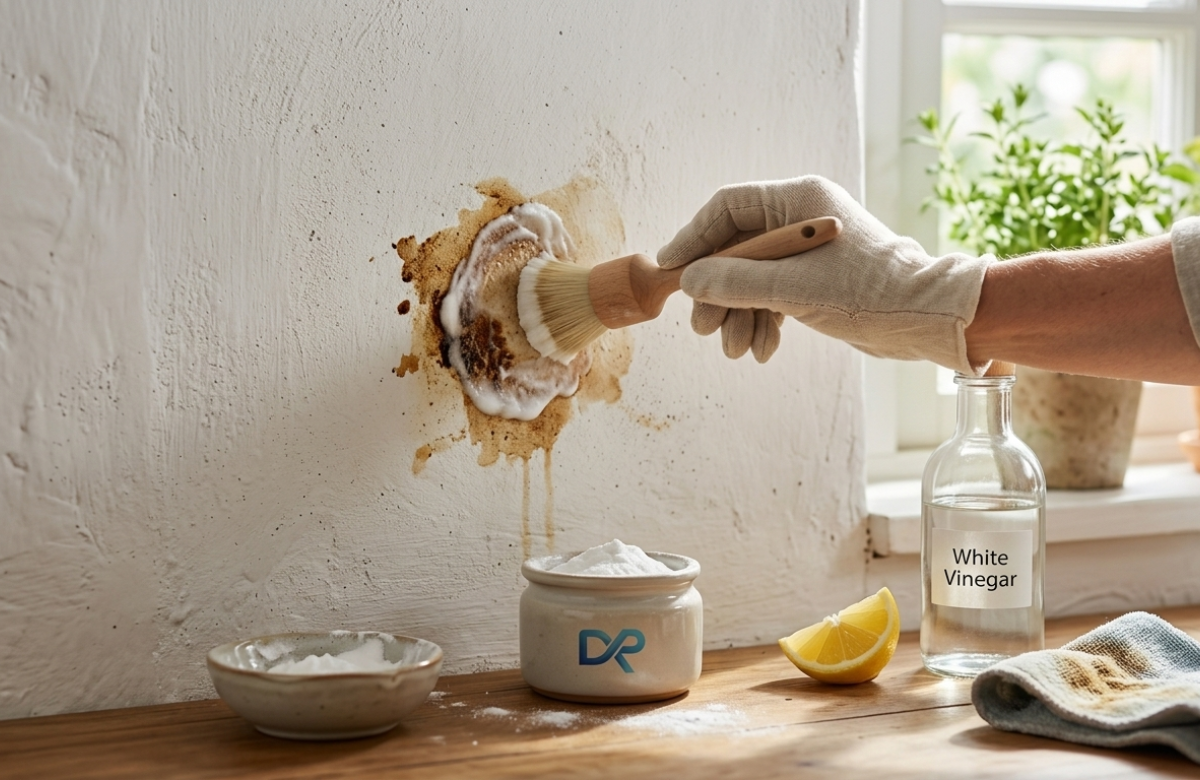
If you’ve ever stood in your kitchen after cleaning the counters and suddenly noticed dark, sticky patches on the wall near the stove, you’re not alone. It often starts as a small splash of cooking oil that goes unnoticed. Over time, grease collects dust, hardens, and turns into stubborn stains that seem impossible to remove.
I learned this the hard way after moving into an older apartment where the walls around the cooking area looked permanently stained. No matter how much I wiped them with a damp cloth, the marks stayed put. After experimenting with several natural cleaning methods, I discovered that the best way to remove old oil stains from kitchen walls naturally doesn’t require harsh chemicals or expensive cleaners.
In this guide, I’ll walk you through practical, tested techniques that can help restore your kitchen walls while keeping your home safe and chemical-free.
What You Need to Know About Oil Stains on Kitchen Walls
Kitchen oil stains are different from ordinary dirt. Cooking oils contain fats that cling to painted surfaces. When heat from cooking combines with airborne grease particles, they create a sticky film that attracts dust and smoke residue.
Over months or years, this buildup can become:
- Dark yellow or brown
- Sticky to the touch
- Difficult to remove with water alone
- More noticeable around stoves and cooking areas
The type of wall finish also matters. Gloss and semi-gloss paint are usually easier to clean than flat or matte paint, which can absorb grease more easily.
Common sources of kitchen wall grease include:
- Frying foods
- Deep frying
- Sautéing vegetables
- Splattering oils
- Steam mixed with cooking fats
Understanding the cause helps you choose the right cleaning approach.
Common Mistakes People Make
Many homeowners unintentionally make oil stains harder to remove.
Using Too Much Water
Water alone doesn’t break down grease effectively. Excessive moisture can also damage certain wall finishes.
Scrubbing Aggressively
Heavy scrubbing may remove paint instead of grease.
Applying Strong Chemicals Immediately
Bleach and harsh degreasers can discolor paint and create strong fumes.
Ignoring Stains for Years
The longer grease sits on a wall, the deeper it bonds with dust and residue.
Skipping a Test Spot
Even natural cleaners should be tested on a small hidden area first.
Related Posts:
Daily Habits That Improve Focus and Discipline
Indoor Plants That Survive Without Sunlight
Step-by-Step Guide
Prepare the Surface
Before applying any cleaner:
- Dust the wall using a microfiber cloth.
- Remove loose debris.
- Protect countertops and nearby surfaces with towels.
- Open windows for ventilation.
This simple preparation prevents dirt from turning into muddy streaks during cleaning.
Natural Pre-Cleaning Solution
Mix:
- 2 cups warm water
- 1 tablespoon dish soap
Use a soft sponge to remove surface grease before tackling deeper stains.
Apply a Natural Degreaser
This is where the real stain removal begins.
Baking Soda Paste Method
Ingredients:
- 3 tablespoons baking soda
- Small amount of water
Mix until a thick paste forms.
Apply directly to the stain and let it sit for 10–15 minutes.
Why it works:
- Baking soda provides gentle abrasion.
- It absorbs oils and helps lift embedded grease.
White Vinegar Solution
Mix:
- Equal parts white vinegar and warm water
Spray lightly onto stained areas.
Allow it to sit for 5 minutes before wiping.
Why it works:
- Vinegar helps break down grease deposits.
- It removes lingering odors.
Lemon Juice Method
Fresh lemon juice can be useful for lighter stains.
The natural acidity helps dissolve oily residue while leaving a fresh scent.
Remove and Rinse
After the cleaning solution has worked:
- Wipe using a damp microfiber cloth.
- Rinse with clean warm water.
- Dry immediately using a soft towel.
Repeat the process if necessary.
For very old stains, two or three treatments may be needed.
Patience often works better than aggressive scrubbing.
Benefits
Natural cleaning methods offer several advantages.
Safer Indoor Air
No harsh chemical fumes.
Budget-Friendly
Most ingredients are already in your kitchen.
Environmentally Friendly
Fewer synthetic chemicals enter the environment.
Gentle on Paint
Natural cleaners are generally less likely to damage painted surfaces.
Easy Maintenance
Regular use can prevent future grease buildup.
Drawbacks or Things to Consider
Natural methods are effective, but they’re not perfect.
May Require Multiple Applications
Older stains often need repeated treatment.
Results Depend on Wall Finish
Porous paint may retain some discoloration.
Vinegar Odor
The smell disappears quickly but may be unpleasant initially.
Extremely Old Stains May Leave Shadows
In some cases, staining has penetrated beyond the surface layer.
When this happens, repainting may eventually be necessary.
Expert Tips and Personal Insights
After years of maintaining rental kitchens and helping family members tackle grease buildup, a few lessons consistently stand out.
Clean Early
Fresh grease removes much easier than aged grease.
Use Microfiber Cloths
They capture oily residue better than paper towels.
Work in Small Sections
Large areas can dry before you’re finished.
Don’t Rush
Allow cleaning solutions time to work.
Install a Range Hood
Good ventilation dramatically reduces future grease accumulation.
One practical trick I often recommend is placing a removable backsplash panel behind the stove. It catches splatter before it reaches the wall and is far easier to clean.
Recommended Products and Tools
Although the cleaning solutions themselves can be homemade, the right tools make the job easier.
1. Microfiber Cleaning Cloths
Who It’s For
Homeowners who want reusable cleaning supplies.
Pros
- Washable
- Effective grease removal
- Gentle on paint
Cons
- Require laundering
- Quality varies
Why It Helps
Microfiber traps grease instead of spreading it around.
2. Spray Bottle
Who It’s For
Anyone using vinegar or lemon cleaning solutions.
Pros
- Even application
- Easy storage
- Affordable
Cons
- Plastic bottles may wear out
Why It Helps
Provides controlled coverage without oversaturating walls.
3. Non-Scratch Sponge
Who It’s For
People dealing with moderate grease buildup.
Pros
- Gentle cleaning
- Reusable
Cons
- Can wear down over time
Why It Helps
Allows light agitation without damaging paint.
4. Baking Soda
Who It’s For
Anyone seeking a versatile natural cleaner.
Pros
- Inexpensive
- Multi-purpose
- Effective grease absorber
Cons
- Can leave residue if not rinsed
Why It Helps
Provides gentle abrasive action for stubborn stains.
Buyer’s Guide
If you’re shopping for cleaning tools, focus on quality rather than quantity.
Features to Look For
Soft Cleaning Materials
Avoid abrasive pads that can scratch painted walls.
Reusable Products
Microfiber cloths reduce waste and save money.
Ergonomic Spray Bottles
Comfort matters when cleaning larger areas.
Durable Construction
Higher-quality tools last longer and perform better.
How to Choose the Right Product
Ask yourself:
- How large is the stained area?
- What type of paint is on the wall?
- How frequently do you clean?
- Do you prefer reusable or disposable supplies?
For occasional cleaning, basic microfiber cloths and a spray bottle may be sufficient.
For kitchens with heavy cooking activity, investing in multiple cloths and dedicated cleaning tools can make maintenance easier.
When a Product May Not Be Suitable
Avoid abrasive scrub brushes if:
- Your walls have matte paint.
- The paint is old or fragile.
- The wall surface already shows wear.
Likewise, strong degreasers may not be necessary for light grease buildup and could create additional cleanup work.
Comparison Table: Natural Oil Stain Removal Methods
| Method | Best For | Strength | Cost | Surface Safety |
|---|---|---|---|---|
| Baking Soda Paste | Old stubborn stains | High | Low | High |
| Vinegar Solution | Moderate grease | Medium | Low | High |
| Lemon Juice | Light stains | Medium | Low | High |
| Dish Soap Mix | Fresh grease | Medium | Low | High |
| Combined Method | Heavy buildup | Very High | Low | High |
Frequently Asked Questions
1. What is the best way to remove old oil stains from kitchen walls naturally?
A combination of baking soda paste and vinegar solution is often the most effective natural approach for breaking down old grease deposits.
2. Can baking soda damage painted walls?
When used gently and rinsed properly, baking soda is generally safe for most painted surfaces. Always test a small area first.
3. How long should vinegar sit on grease stains?
Typically 5 to 10 minutes is enough to help loosen grease before wiping.
4. What if the stain does not come off completely?
Repeat the cleaning process several times. Extremely old stains may have penetrated the paint layer and could require repainting.
5. Can lemon juice replace vinegar?
Yes, lemon juice can be an alternative for light to moderate grease stains, though it may be less effective on heavy buildup.
6. How can I prevent future oil stains?
Use a splatter guard, clean regularly, and maintain proper kitchen ventilation.
7. Is dish soap alone enough to remove old grease stains?
Dish soap works well for fresh grease but may not be powerful enough for years-old buildup without additional natural cleaners.
Final Thoughts
Finding the best way to remove old oil stains from kitchen walls naturally doesn’t have to involve expensive products or harsh chemicals. In most cases, simple household ingredients such as baking soda, vinegar, lemon juice, and dish soap can significantly improve the appearance of stained walls.
The key is patience, gentle cleaning, and consistent maintenance. By addressing grease buildup early and using the right tools, you can keep your kitchen looking cleaner, brighter, and more welcoming for years to come. Whether you’re tackling years of accumulated residue or simply maintaining a busy family kitchen, natural cleaning methods offer an effective and practical solution.