
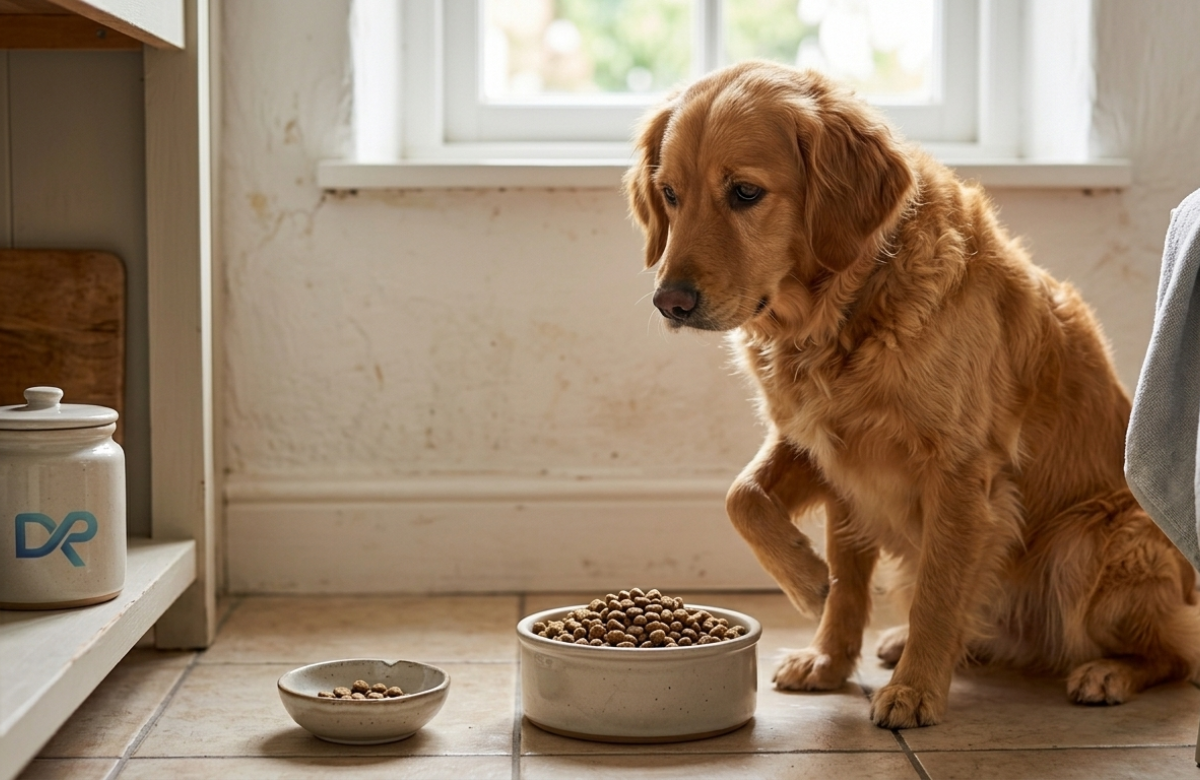
One morning, my neighbor called in a panic because her Labrador, who normally raced to his food bowl every day, suddenly walked away from his dry kibble without taking a single bite. Like many dog owners, she immediately worried that something was seriously wrong.
If you’ve found yourself staring at a full food bowl and wondering what to do if dog refuses to eat dry food suddenly, you’re not alone. Many dogs go through periods where they reject kibble, even when they’ve eaten the same food happily for months or years.
Sometimes the reason is simple, such as boredom with a food flavor. Other times, it may signal a dental issue, digestive discomfort, stress, or an underlying health concern that deserves attention.
The good news is that there are practical steps you can take to identify the cause and help your dog get back to healthy eating habits. In this guide, we’ll explore possible reasons, common mistakes, step-by-step solutions, product recommendations, and expert insights to help you handle the situation with confidence.
What You Need to Know About What to Do If Dog Refuses to Eat Dry Food Suddenly
When a dog suddenly stops eating dry food, the reason can range from completely harmless to potentially serious.
Common causes include:
- Dental pain
- Gum disease
- Broken teeth
- Recent changes in routine
- Stress or anxiety
- Food spoilage
- Picky eating habits
- Recent vaccinations
- Digestive upset
- Medication side effects
- Aging-related changes
- Underlying illness
A key detail is whether your dog refuses only dry food or all food.
For example:
- Eats treats but not kibble = food preference or dental discomfort may be involved.
- Refuses all food and water = requires immediate veterinary attention.
- Eats wet food but rejects kibble = chewing pain or food texture issues may be contributing factors.
Understanding the difference helps narrow down the possible cause.
Common Mistakes People Make
Many well-meaning owners accidentally make the problem worse.
1. Offering Endless Treats
When dogs learn they can hold out for tastier options, they may continue rejecting regular meals.
2. Constantly Changing Food Brands
Frequent food changes can upset digestion and create even pickier eating habits.
3. Ignoring Dental Health
A dog with tooth pain may appear stubborn when eating, but the real issue is discomfort.
4. Leaving Food Out All Day
Free-feeding can reduce appetite and make it difficult to monitor eating behavior.
5. Waiting Too Long for Veterinary Advice
If appetite loss lasts more than a day or two, especially alongside other symptoms, professional evaluation is important.
Related Posts:
Signs Your Dog Is Sick
How to Fix Lazy Lifestyle
Step-by-Step Guide
Step 1: Check for Health Problems
Start by observing your dog’s overall behavior.
Look for:
- Lethargy
- Vomiting
- Diarrhea
- Excessive drooling
- Pawing at the mouth
- Weight loss
- Bad breath
- Swollen gums
A quick oral inspection can reveal obvious dental problems.
If your dog shows any concerning symptoms, contact your veterinarian promptly.
Step 2: Evaluate the Food
Sometimes the issue is the food itself.
Check:
- Expiration date
- Storage conditions
- Signs of moisture
- Unusual odor
- Changes in formula
Dry kibble can become stale, especially if stored improperly.
You can also try softening the kibble with warm water. Many dogs find the aroma more appealing when warmed.
A practical example:
An older Golden Retriever I knew suddenly stopped eating kibble. After soaking the food for a few minutes, he began eating normally again because the softened texture was easier on his aging teeth.
Step 3: Improve Mealtime Habits
Consistency matters.
Try these strategies:
- Feed at the same time daily.
- Remove uneaten food after 15–20 minutes.
- Limit treats between meals.
- Provide regular exercise.
- Create a quiet feeding environment.
Many dogs respond positively when mealtime becomes predictable.
Benefits
Addressing the issue early offers several benefits.
Better Health Monitoring
You can identify medical issues before they become more serious.
Improved Nutrition
A consistent eating routine helps ensure your dog receives balanced nutrition.
Reduced Stress
Understanding the cause helps reduce anxiety for both owner and pet.
Better Long-Term Habits
Good feeding practices discourage picky eating behaviors.
Stronger Bond
Paying attention to appetite changes helps you stay connected to your dog’s overall well-being.
Drawbacks or Things to Consider
Not every solution works for every dog.
Potential challenges include:
Trial and Error
Finding the exact cause may take time.
Veterinary Costs
Diagnostic testing can become expensive depending on the situation.
Temporary Appetite Fluctuations
Some dogs naturally eat less during weather changes or reduced activity levels.
Risk of Reinforcing Picky Behavior
Overcompensating with treats and table scraps can create long-term feeding challenges.
Patience is often necessary during the troubleshooting process.
Expert Tips and Personal Insights
Over the years, one pattern stands out repeatedly: owners often assume their dog is simply being stubborn.
In reality, dogs rarely stop eating without a reason.
A few observations worth sharing:
Watch the Small Changes
Many dogs show subtle warning signs before completely refusing food.
Examples include:
- Eating slower
- Dropping kibble
- Chewing on one side
- Drinking more water
Track Eating Habits
Keep a simple notebook or phone note that records:
- Meal times
- Amount eaten
- Stool quality
- Energy levels
Patterns become easier to spot.
Avoid Human Food Shortcuts
While adding chicken or cheese may seem helpful, it can quickly teach a dog to reject regular food in favor of richer options.
Consider Stress Factors
Moving homes, travel, loud construction, visitors, or changes in family routine can affect appetite more than many people realize.
Recommended Products and Tools
The following products may help depending on the underlying cause.
Elevated Dog Bowl
Best for: Senior dogs and large breeds.
Pros
- Reduces neck strain
- Improves eating posture
- Can make meals more comfortable
Cons
- Not necessary for every dog
- Takes additional space
Why It Helps
Some dogs eat more comfortably when they don’t have to bend excessively.
Airtight Food Storage Container
Best for: Owners purchasing kibble in bulk.
Pros
- Keeps food fresher longer
- Reduces moisture exposure
- Helps preserve aroma
Cons
- Initial cost
- Requires cleaning
Why It Helps
Fresh-smelling kibble is often more appealing than stale food.
Slow Feeder Bowl
Best for: Dogs that alternate between eating too quickly and refusing meals.
Pros
- Encourages mindful eating
- Adds enrichment
- Improves digestion
Cons
- Some dogs dislike puzzle-style feeders
Why It Helps
Mental stimulation can increase interest in meals.
Dental Chews
Best for: Dogs prone to plaque buildup.
Pros
- Supports oral hygiene
- Convenient to use
- May reduce bad breath
Cons
- Not a substitute for professional dental care
Why It Helps
Healthier teeth often mean more comfortable eating.
Warm Water Kibble Enhancer
Best for: Older dogs.
Pros
- Improves aroma
- Softens texture
- Easy and inexpensive
Cons
- Must be prepared fresh
Why It Helps
Many senior dogs find softened food easier to chew.
Buyer’s Guide
When choosing products to help a dog that suddenly refuses dry food, focus on the underlying cause rather than searching for a quick fix.
Features to Look For
Food Freshness Support
Look for:
- Airtight seals
- Durable materials
- Easy cleaning
Dental-Friendly Design
Products should promote comfortable chewing.
Age Appropriateness
Puppies, adults, and senior dogs have different needs.
Safety
Choose products made from pet-safe materials.
How to Choose the Right Product
Ask yourself:
- Is my dog showing signs of dental discomfort?
- Is the kibble fresh?
- Does my dog struggle with posture while eating?
- Is boredom a possible factor?
- Has my veterinarian recommended a specific solution?
The answers can guide your purchasing decisions.
When a Product May Not Be Suitable
Avoid relying solely on products if your dog has:
- Persistent appetite loss
- Vomiting
- Severe weight loss
- Signs of pain
- Difficulty swallowing
In these cases, veterinary evaluation should come first.
Comparison Table
| Solution | Best For | Advantages | Limitations |
| Soaking Kibble | Seniors | Easier chewing | Requires preparation |
| Elevated Bowl | Large breeds | Improved posture | Not needed for all dogs |
| Dental Chews | Oral health support | Helps reduce plaque | Not a complete dental solution |
| Airtight Container | Food freshness | Preserves quality | Added cost |
| Slow Feeder | Bored dogs | Mental stimulation | Some dogs dislike them |
Frequently Asked Questions
1. Why is my dog suddenly refusing dry food but eating treats?
This often points to food preference, dental discomfort, or learned picky behavior. If it continues, a veterinary examination is recommended.
2. Should I switch to wet food immediately?
Not necessarily. First determine why your dog is avoiding dry food. Wet food may help temporarily, but identifying the underlying cause is important.
3. How long can a dog safely go without eating?
Healthy dogs may tolerate short periods without food, but prolonged appetite loss should never be ignored. Contact a veterinarian if your dog refuses food for more than 24–48 hours or sooner if other symptoms appear.
4. Can stress cause a dog to stop eating kibble?
Yes. Changes in routine, travel, loud noises, moving homes, or family disruptions can affect appetite.
5. Is softened kibble a good long-term solution?
For many senior dogs, softened kibble works well long term. However, it’s important to ensure your dog still receives complete and balanced nutrition.
6. Could bad kibble be the problem?
Absolutely. Expired, stale, contaminated, or improperly stored food can become less appealing and should be replaced.
7. When should I call a veterinarian?
Seek veterinary advice if appetite loss is accompanied by vomiting, diarrhea, lethargy, pain, weight loss, or lasts longer than expected.
Final Thoughts
If you’re wondering what to do if dog refuses to eat dry food suddenly, start by observing your dog’s overall behavior, checking for signs of illness, evaluating the food itself, and improving feeding habits. In many cases, the issue is manageable and temporary. However, appetite changes can sometimes signal a more serious problem, so it’s always wise to stay attentive and seek veterinary guidance when needed.
Your dog can’t tell you what’s wrong, but changes in eating behavior are one of the clearest ways they communicate that something deserves your attention. By responding early and thoughtfully, you’ll be in a much better position to keep your furry friend healthy, comfortable, and happy.